
Male beauty ideals are constantly changing. More and more men are rediscovering the appeal of a robust, powerful body and a prominent belly. The “gainer” lifestyle — where bodybuilding and intentional weight gain merge as a form of self-expression — is not just about physical transformation. It’s about confidence, pleasure, and community acceptance.
Online communities have become the inspiration behind this mindset, offering practical advice and personal stories about how to build a bigger body — safely, gradually, and enjoyably. But how can you shape a strong, attractive physique with a big belly, in a conscious and healthy way?
The Meaning Behind the Gainer Lifestyle
For many, the gaining lifestyle represents body acceptance and liberation. In this community, a “big body” isn’t just an aesthetic goal — it’s an expression of self-acceptance and personal power. The focus isn’t on fitting into mainstream standards but on feeling good in your own skin — whether you’re muscular, round, or proudly belly-heavy.


Intentional weight gain can have positive effects on hormone balance, boost confidence, and help build deeper social connections. However, it’s important to remember that rapid weight gain can put strain on the heart and joints — so medical consultation before starting is always advised.
The Basics of Conscious Weight Gain
The key to gaining mass is caloric surplus — consuming more energy than your body burns each day. How much more depends on your goal:
- Slow gain: About 0.5 kg (1 lb) per week — a balanced mix of muscle and fat.
- Fast gain: 1–3 kg (2–6 lbs) per week — leads to a more visible belly but comes with a higher risk of loose skin and fatigue.
General Guidelines
Calculate your daily calorie needs (BMR) with an online calculator, then add 500–1500 extra calories per daydepending on how quickly you want to grow. The key to success is frequent, high-calorie meals — ideally 5–6 times a day, with a total intake of 3000–5000 kcal daily depending on your body type and metabolism.
Plan several points in your day for intentional calorie intake: three main meals (breakfast, lunch, dinner) and two to four snacks in between. This way, you’re fueling your body gradually throughout the day instead of relying on one big meal. It’s also easier on digestion — and if your goal is a comfortable, growing belly, smaller, frequent meals are usually best.
When your appetite drops, have a calorie-dense snack ready — something easy to eat and enjoyable.
What to Eat: Macros and Calories
Protein: Essential for muscle growth and recovery. Focus on quality sources — meat, eggs, dairy, and legumes.
Carbohydrates and fats: Carbs are your body’s main energy source, while fats (especially healthy ones) help increase your calorie intake, support hormones, and improve comfort.
Don’t rely only on “empty calories.” Even though the goal is to gain weight, choose foods that still contain nutrients — your body will thank you later.
High-calorie, nutrient-rich foods: Nuts, avocados, whole milk, oils, creamy pasta dishes.
Avoid: Fat-burning ingredients like green tea, garlic, or ice-cold water.
If you have a fast metabolism, double your portions and avoid too much activity, which burns calories.
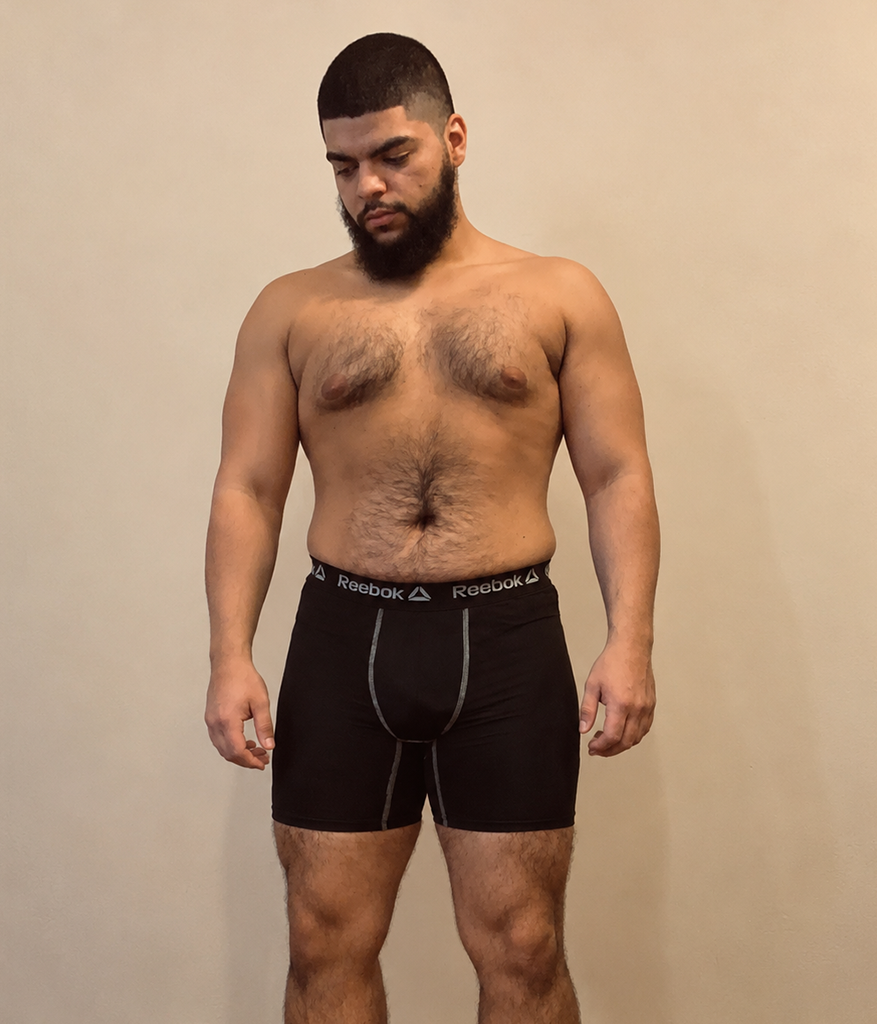
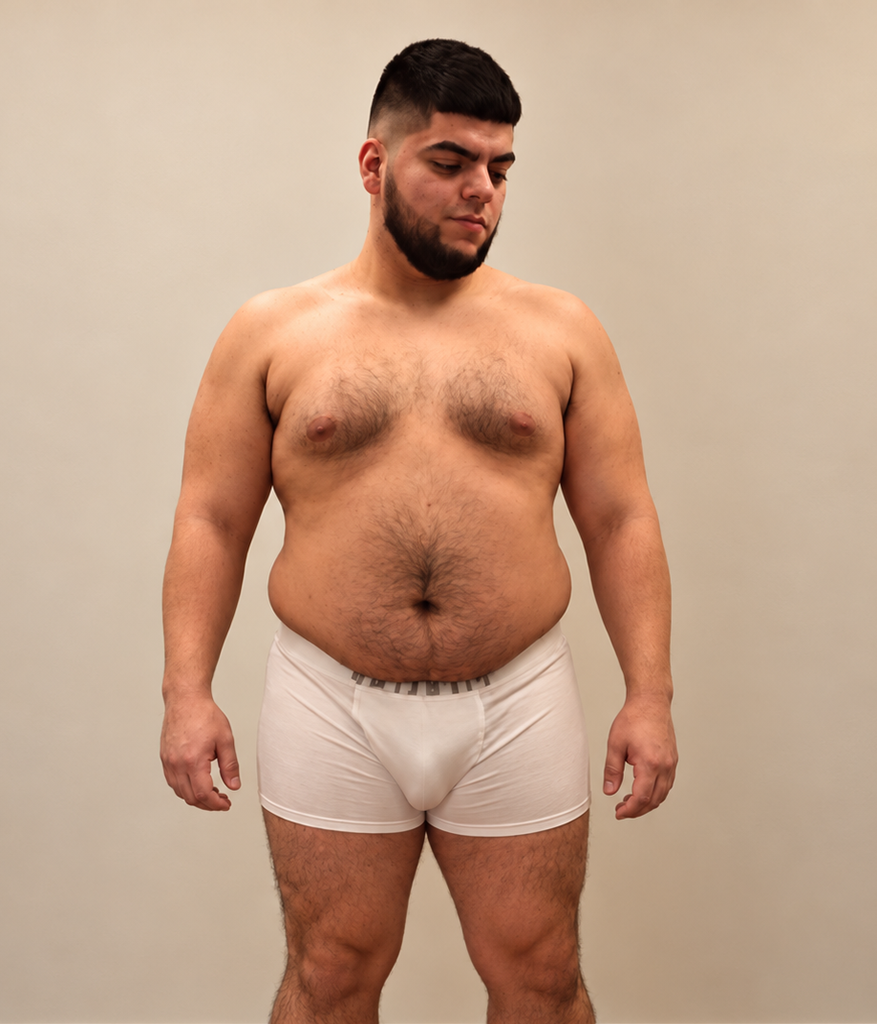
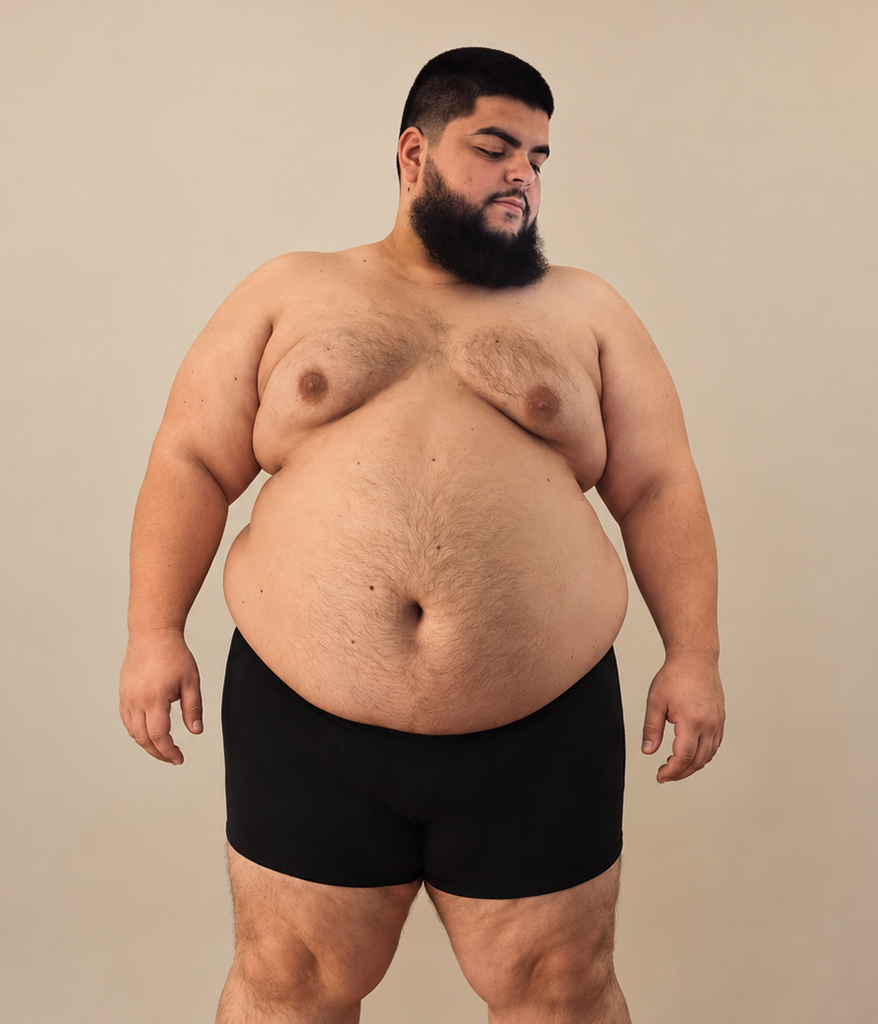
Keep track of your body changes — if your weight doesn’t go up within a week or two, add another 100–200 kcal per day. If you gain too quickly and feel uncomfortable (e.g., your belly grows too fast or you feel sluggish), slow down slightly.
Tricks for a Calorie Surplus
- Add extra fats: Olive oil, avocado, nuts, nut butters — all add healthy calories.
- Drink your calories: Milkshakes and smoothies made with full-fat milk, yogurt, fruit, and nuts are great options. Avoid drinking too much fluid before meals, as it can fill your stomach prematurely.
- Use larger plates: It’s a psychological trick — you tend to eat more when your plate looks less full.
- Timing: If you lose appetite at night, shift your biggest meal to the afternoon, and make dinner lighter but still calorie-dense.
- Be mindful of appetite: Don’t wait for hunger to hit; schedule snacks to keep intake steady.
Types of Belly Growth
You can’t choose exactly where your body stores fat — that’s largely determined by genetics and body composition. However, when your body mass increases, your belly usually does too, especially if you’re predisposed to central fat storage. Here are the main “belly types” seen among gainers:
- Subcutaneous fat (soft, round belly): Common with fast weight gain — results in a fuller, softer look. Ideal for those who want a plush, comfortable belly.
- Visceral fat (firm, deep belly): Develops with slower gain. It forms around internal organs, giving a tighter appearance but with more health risks if overdone.
- “Beer belly” type: Caused by high-carb diets (bread, beer, sweets). It’s a hybrid type — firm but rounded, especially if muscle lies beneath. Often seen as a “strong-bear” look.
Choose the pace and style that fits your goal: faster gaining leads to a softer, more rounded belly; slower gaining builds a firmer, denser physique.
Movement, Posture, and Confidence
Don’t just lie on the couch — some strength training is recommended, especially for the core. Strong abdominal and lower-back muscles help support your belly, giving it a more defined, powerful shape.
Use heavier weights with fewer reps to build strength and density, or choose low-intensity movement if your main goal is simply to grow your belly comfortably.
Pay attention to posture — a confident stance makes a big belly look strong and sexy rather than slouched. Core stability is key. And remember: a bigger body means greater load on your system — so keep an eye on your blood pressure and overall health.
The Emotional Side of Gaining
Conscious weight gain isn’t only a physical process — it’s an emotional journey. It’s about finding peace with your body and expressing yourself authentically.
If, as a gay man, you see a bigger body and belly as part of your attraction and identity, start your journey with intention. Plan your diet, listen to your body’s responses, and progress step by step.
Above all, be proud of your body — at every size.

Be First to Comment